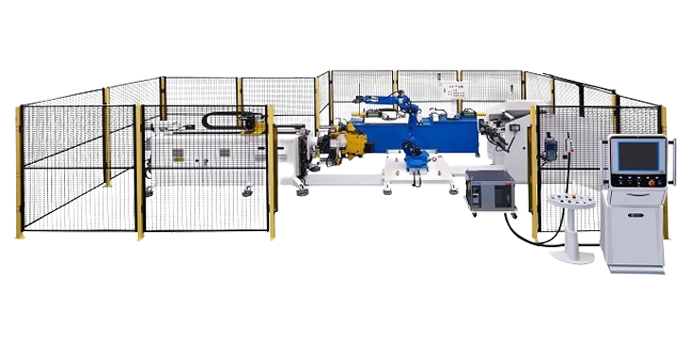
Tube Form Solutions: Advanced Automation Cells for Tube Forming
Step into the future of tube forming with our comprehensive guide to automation systems. Harness the power of cutting-edge technology to streamline your tube forming processes, ensuring consistency, efficiency, and precision. Whether you're scaling up operations or aiming for unparalleled accuracy, our curated selection of automation solutions is designed to revolutionize your production line. Delve into detailed system overviews, user testimonials, and expert insights to optimize your tube forming journey. Elevate your manufacturing prowess with the best in automated tube forming solutions – your gateway to next-level productivity awaits!
Enquire Now
Advanced Cobot Automation for Tube Forming Processes
We offer Jaka Cobots for a wide variety of applications including screw driving, polishing, glue dispensing, pick and place, packaging, painting, welding, assembly, and much more!
“Free Your Hands” is JAKA’s mission, and they deliver amazing automation including drive control integration, integral joints, free-drive programming, wireless connection, and more.
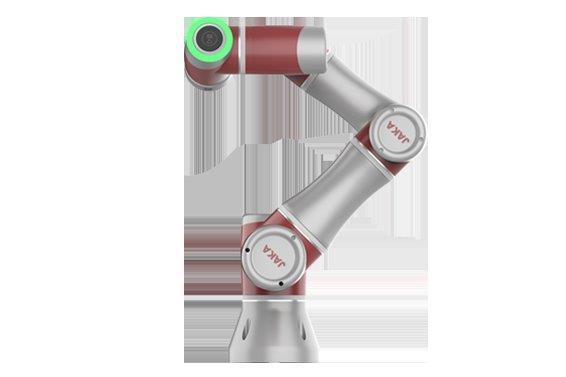
JAKA Ai3
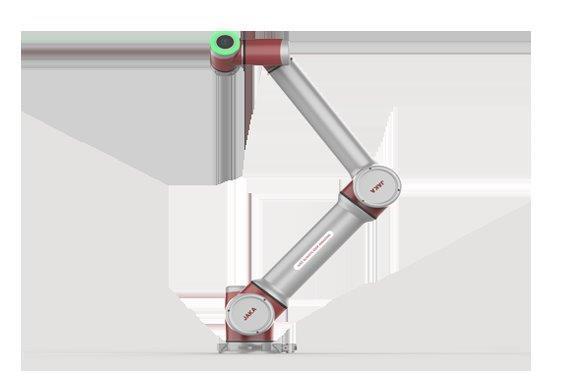
JAKA1
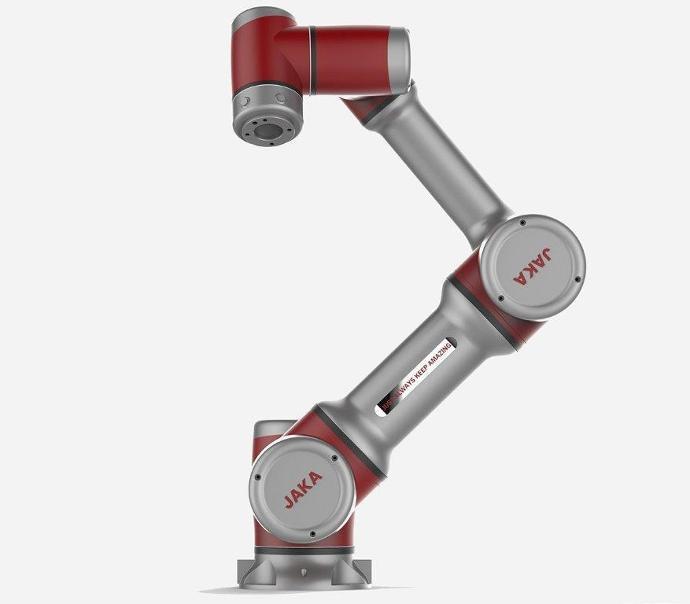
JAKA 7
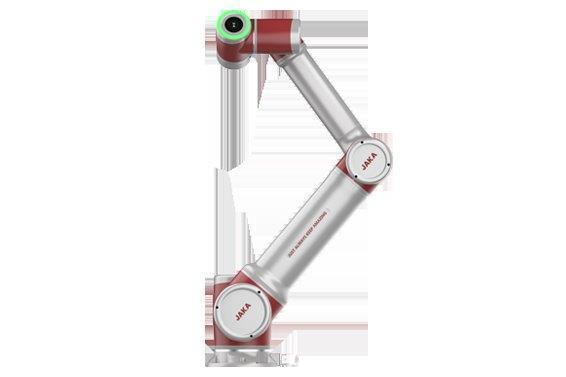
JAKA 18
We also supply Onrobot gripping and sensing systems for industrial automation. These flexible tools enable your workforce to work side-by-side with collaborative robots on assembly, surface finishing, pick and place, machine tending, or testing.
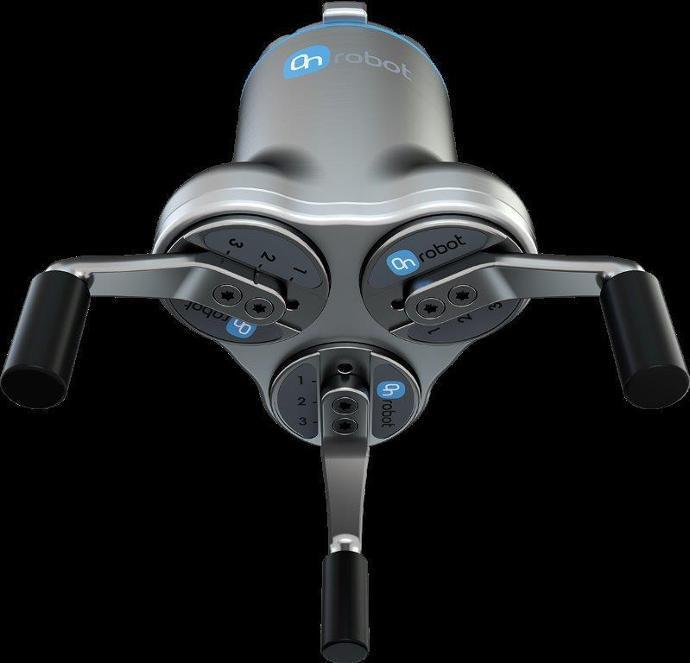
Three Finger Gripper
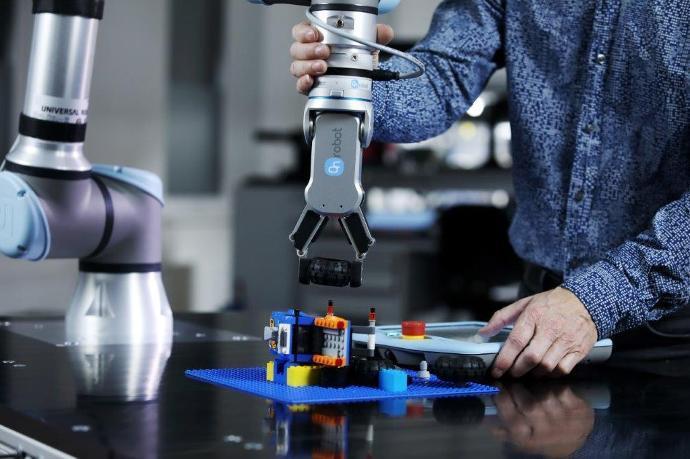
Mobile Heavy Duty Universal Robot Stand
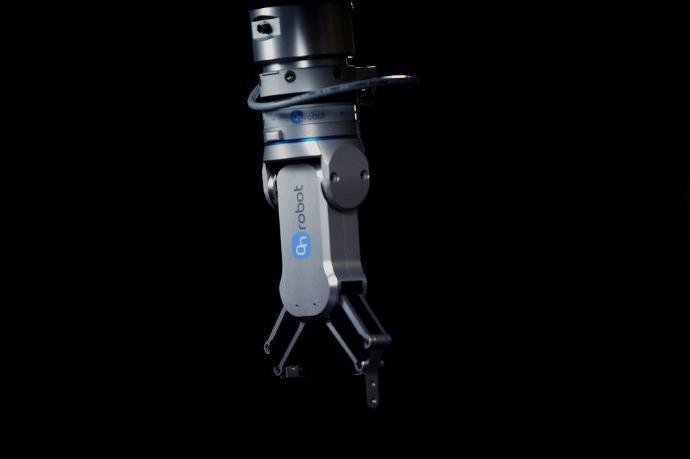
Large Fenced Safety Perimeter with Wire Mesh Panels
Vention’s automation platform enables the entire system to become your low-cost, short lead time, automation answer to labor and other shop floor concerns.
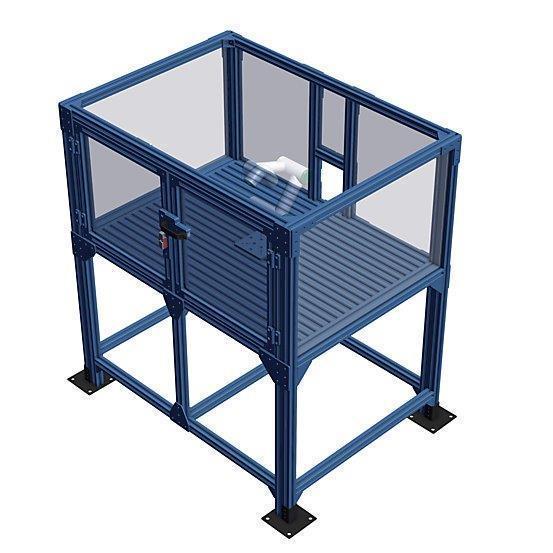
Small Robot Station with Enclosure
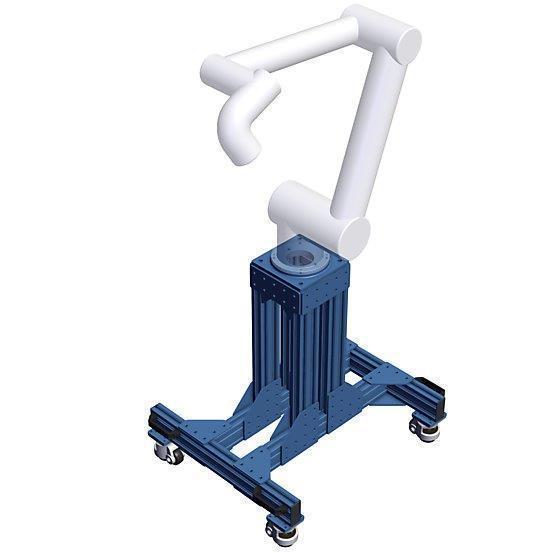
Mobile Heavy Duty Universal Robot Stand
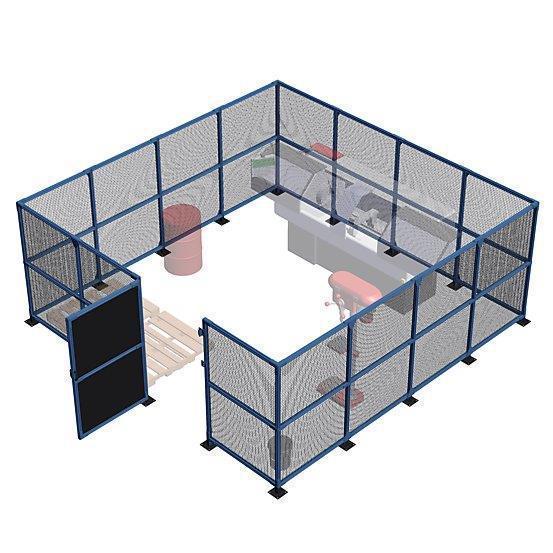
Large Fenced Safety Perimeter with Wire Mesh Panels
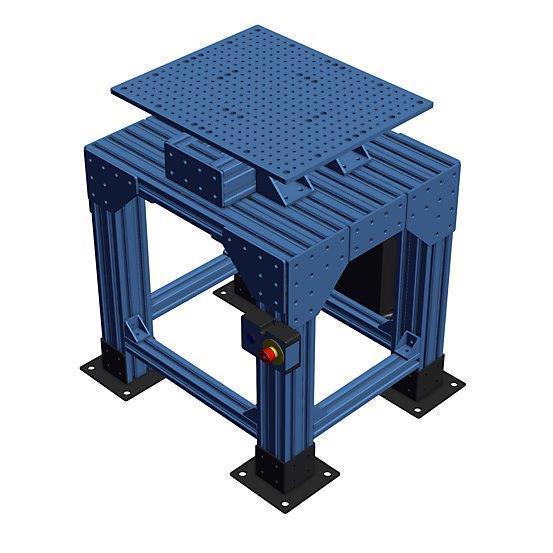
Heavy-Duty Compact Turntable
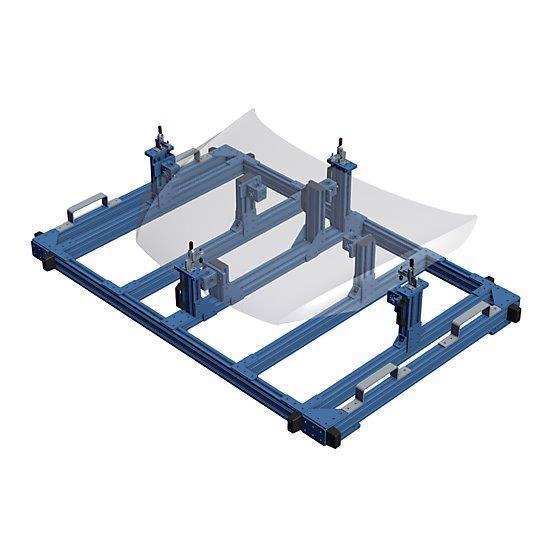
Inspection Platform
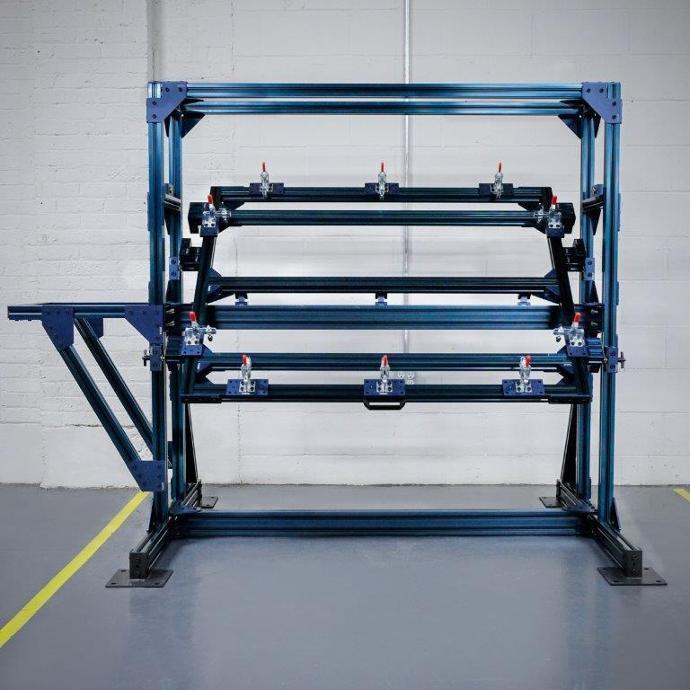
Fixture
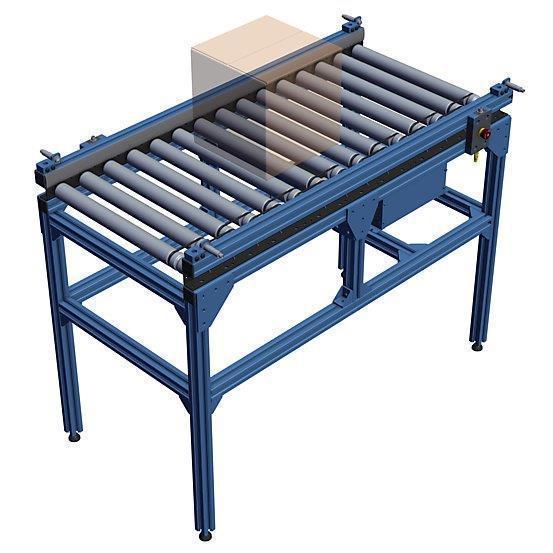
Automated Conveyor
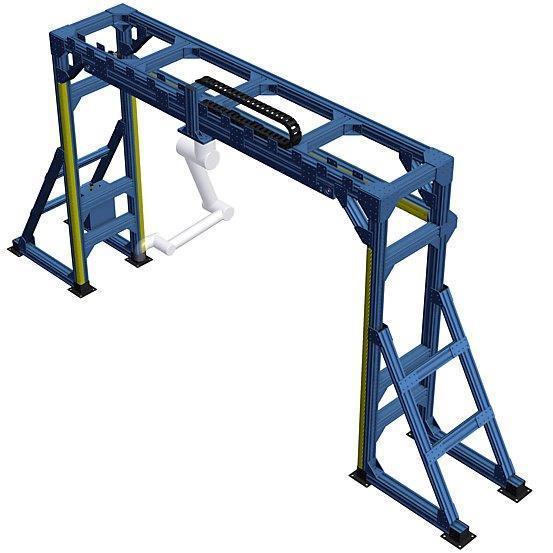
Automated Conveyor
Lease A New Automation Cell
Through our financing partners, you’ll find financial programs, leasing, and loan services at very competitive rates. No Financials or Tax Returns are required* and credit decisions are usually made within 24 hours.