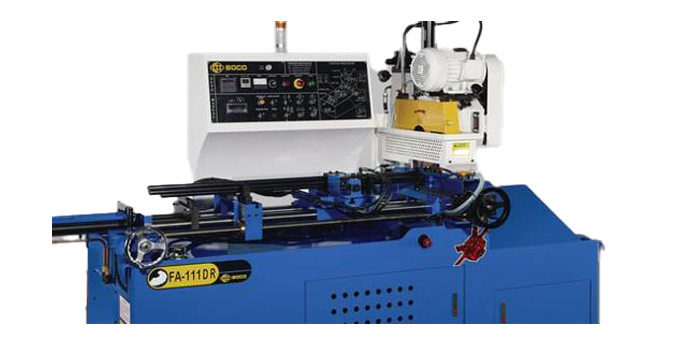
standard sawing system for tube processing, multiheads automatic sawing for bar processing, tube saws, standard sawing system for bar processing, multiheads sawing system for bar processing, customized sawing system for bar processing, tubes automatic sawing, single head sawing system for bar processing, sectioning saws, multiheads sawing line for bar processing, sawing line for tube, single head sawing line for bar processing, multiheads automatic sawing for metal processing, multiheads automatic cutting for bar processing, standard sawing line for bar processing, multiheads cutting system for bar processing, single head automatic sawing for bar processing, multiheads sawing system for tube processing
Benefits of Precision Cutting in Metalworking
Precision cutting is crucial in metalworking as it ensures high-quality finishes and reduces material wastage. By utilizing advanced cutting saws, industries can achieve tighter tolerances and improved surface finishes, which are essential for components that require exact specifications.
For example, saws equipped with digital counters and automatic feeding systems minimize human error and enhance repeatability in production. This not only leads to cost savings through reduced scrap but also improves overall productivity, making precision cutting a vital aspect of modern manufacturing processes.
Maintenance Tips for Cutting Saws
Regular maintenance of cutting saws is essential to ensure optimal performance and longevity. This includes routine checks on blade sharpness, lubrication of moving parts, and inspection of the hydraulic system to prevent breakdowns and costly repairs.
For instance, implementing a scheduled maintenance plan can help operators identify wear and tear before it leads to significant issues. Additionally, keeping the saw clean and free of debris can enhance cutting efficiency and prolong the life of the machinery, ensuring consistent output quality.
Choosing the Right Cutting Saw for Your Application
Selecting the appropriate cutting saw involves understanding the specific requirements of your application, including material type, thickness, and production volume. Different saw types, such as semi-automatic and fully automatic, cater to varying operational needs, making it vital to assess your operational demands before making a choice.
For example, a semi-automatic saw may be ideal for smaller projects with less frequent cutting needs, while a fully automatic saw is better suited for high-volume production environments where efficiency and speed are critical. Evaluating these factors ensures that the chosen saw aligns with both current and future production goals.
Customer Testimonials and Case Studies
Customer testimonials and case studies provide valuable insights into the real-world performance of cutting saws. They highlight user experiences, showcasing how specific models have improved operational efficiency, reduced costs, and enhanced product quality in various industries.
For instance, a case study featuring a manufacturing plant that adopted the FA-127NC saw could illustrate significant improvements in cutting speed and precision, leading to a marked increase in overall productivity. These narratives not only build trust but also assist potential buyers in making informed decisions based on proven results.