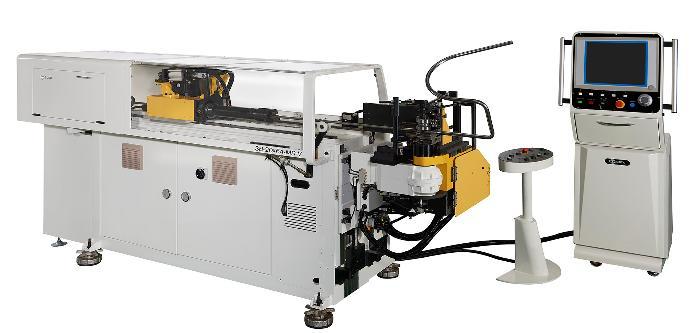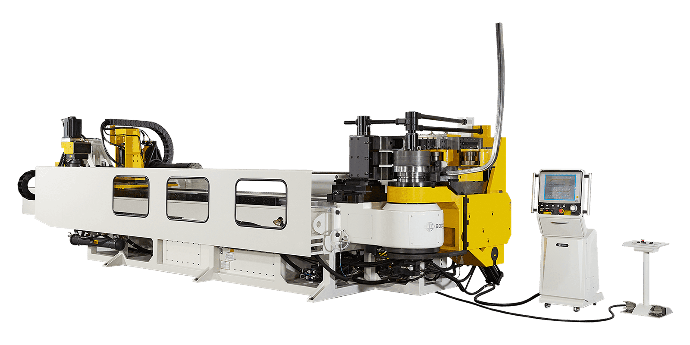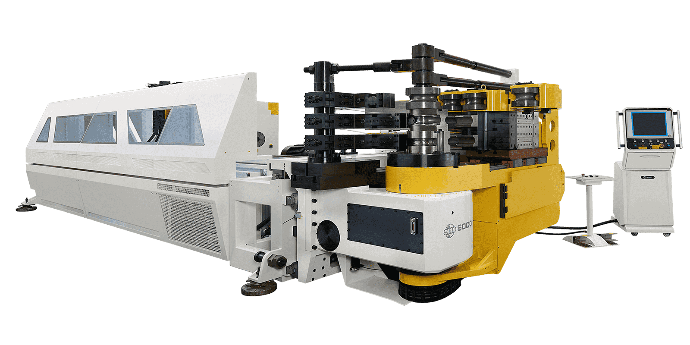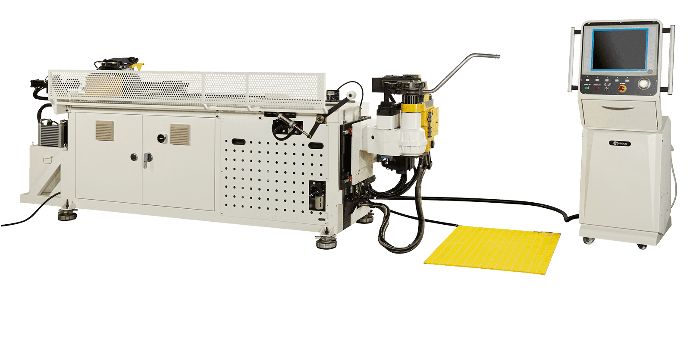
hybrid tube benders cnc, hybrid tube bending machines, hybrid pipe bending machine, hybrid copper bar bender
Technical Specifications of Hybrid CNC Tube Benders
Understanding the technical specifications of hybrid CNC tube benders is crucial for selecting the right machine for your needs. These specifications often include parameters such as bending radius, maximum wall thickness, and material compatibility, which directly influence the machine's performance and application suitability.
For instance, SOCO's hybrid CNC benders are designed to handle tight CLR (Center Line Radius) bends, with capabilities to work on materials ranging from thin-walled tubing to medium-wall thickness. This versatility allows users to tackle various projects across different industries, enhancing productivity and operational efficiency.
Comparison of Hybrid CNC Tube Benders with Traditional Bending Machines
When evaluating tube bending solutions, it's essential to compare hybrid CNC tube benders with traditional bending machines. Hybrid models combine the advantages of CNC technology with the force of hydraulic systems, resulting in superior precision and flexibility in bending operations.
In contrast to traditional machines, hybrid CNC benders offer programmable control, which allows for complex geometries and repeatable accuracy, reducing material waste and improving production timelines. This makes them an ideal choice for industries requiring high-quality bends with minimal error margins.
Customization Options for Hybrid CNC Tube Benders
Customization options for hybrid CNC tube benders can significantly enhance their functionality and adaptability to specific manufacturing needs. Users can often select from various tooling configurations, software packages, and additional features tailored to their operational requirements.
For example, SOCO offers multi-stack tooling and advanced simulation software that allows users to visualize the bending process and make necessary adjustments before actual production. This level of customization not only optimizes performance but also helps in achieving unique bending specifications demanded by different projects.
Future Trends in Tube Bending Technology
The future of tube bending technology is poised for significant advancements, particularly with the integration of automation and smart manufacturing practices. As industries increasingly adopt Industry 4.0 principles, hybrid CNC tube benders are expected to evolve with enhanced connectivity and data analytics capabilities.
Emerging trends include the use of IoT devices for real-time monitoring of bending processes and predictive maintenance, which can reduce downtime and improve overall operational efficiency. These innovations will likely position hybrid CNC tube benders as essential tools in modern manufacturing environments, catering to the growing demand for precision and efficiency.