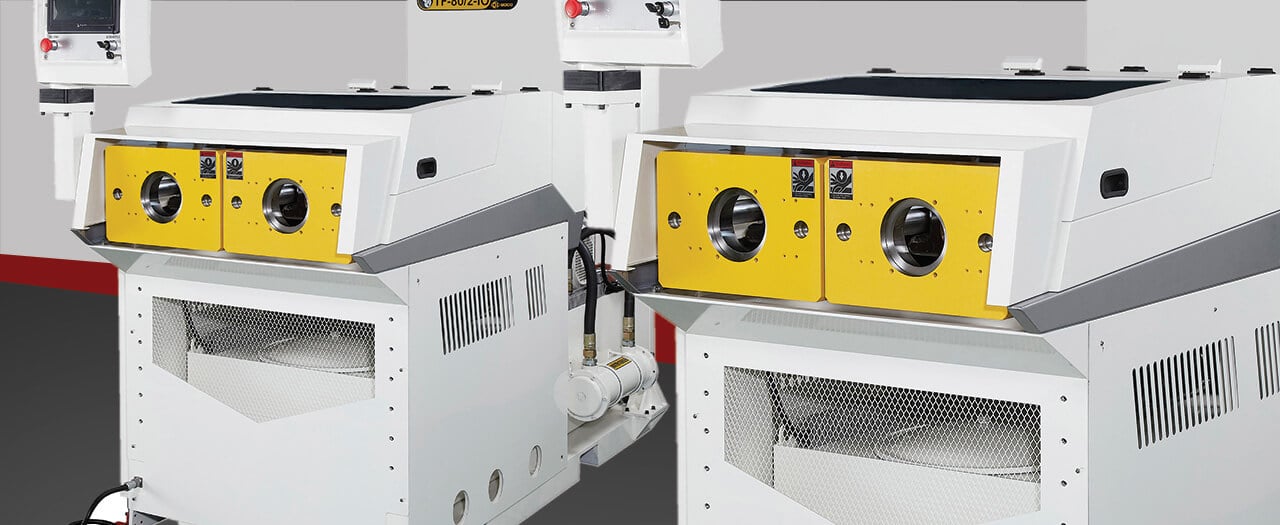
Applications of End Forming Technology
End forming technology is widely utilized across various industries, including automotive, aerospace, and construction. These applications often require specific shapes and configurations for tubes and pipes to ensure proper fitting and functionality in assemblies.
For instance, in the automotive sector, end forming is essential for creating components such as exhaust systems and fuel lines. The aerospace industry benefits from lightweight, precisely formed tubes that meet strict safety and performance standards. In construction, end formed pipes are used in structural applications, enhancing durability and structural integrity.
Maintenance and Care for End Forming Machines
Proper maintenance of end forming machines is crucial for ensuring longevity and optimal performance. Regular inspections, cleaning, and lubrication can prevent breakdowns and maintain precision in forming processes.
For example, operators should routinely check hydraulic fluid levels and inspect seals for leaks. Additionally, maintaining the tooling by sharpening and replacing worn components can significantly enhance the machine's efficiency and output quality, ultimately reducing production downtime.
Innovations in End Forming Technology
The field of end forming technology is continually evolving, with innovations aimed at improving efficiency, precision, and adaptability. Recent advancements include the integration of automation and smart technology, which enhance the capabilities of traditional end forming machines.
For instance, the use of computer numerical control (CNC) systems allows for more intricate designs and faster production times. Additionally, the development of hybrid machines that combine multiple forming techniques can streamline operations and reduce the need for multiple machines in a production line.
Future Trends in Tube and Pipe End Forming
As industries evolve, the future of tube and pipe end forming is likely to be shaped by trends such as sustainability and increased customization. Manufacturers are exploring eco-friendly materials and processes that minimize waste while maintaining high-quality standards.
Moreover, the demand for custom solutions is rising, prompting manufacturers to develop more versatile machines capable of handling diverse materials and complex designs. This shift may lead to greater investment in research and development, fostering innovation in the end forming landscape.