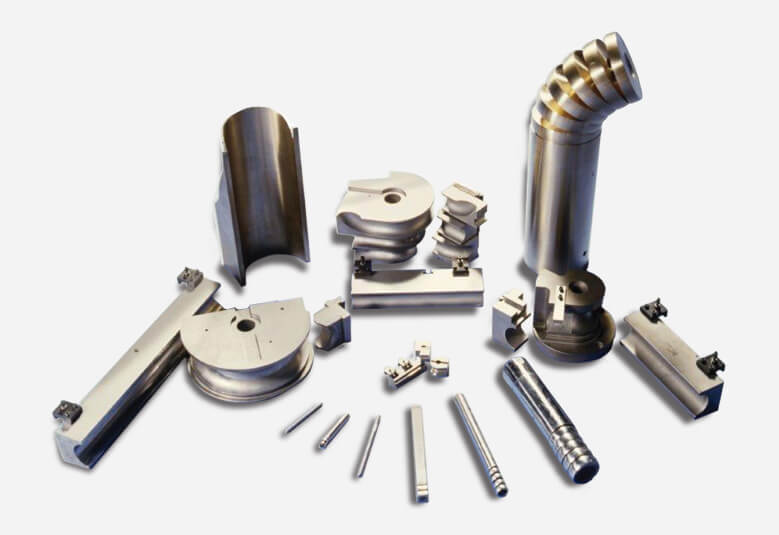
Key Factors Influencing Tooling Selection
When specifying tooling for tube benders, several key factors must be considered to ensure optimal performance and quality of the final product. These factors include the type of material being bent, the wall thickness of the tube, the desired bend radius, and the specific requirements of the bending process. Each of these elements plays a crucial role in determining the most suitable tooling options.
For example, stainless steel typically requires different tooling compared to aluminum due to its hardness and strength. Additionally, tubes with thicker walls may necessitate more robust tooling to prevent deformation during bending. Understanding these variables helps users make informed decisions, leading to better results in their projects.
Comparing Different Tooling Types
Different types of tooling are available for tube bending, each designed to meet specific needs and applications. Common tooling options include mandrel benders, rotary draw benders, and compression benders. Each type has its own advantages and is suited for particular bending tasks, making it essential for users to understand their options.
For instance, mandrel benders are ideal for achieving tight radii and maintaining the integrity of the tube's inner diameter, while rotary draw benders are favored for their versatility and efficiency in producing complex shapes. By comparing these tooling types, users can select the most appropriate solution for their specific bending requirements.
Tips for Maintaining Tube Bending Tooling
Proper maintenance of tube bending tooling is vital for ensuring longevity and optimal performance. Regular inspections, cleaning, and timely replacements of worn parts can prevent costly downtime and improve the overall efficiency of the bending process. Users should develop a maintenance schedule that includes checking for wear and tear, lubricating moving parts, and ensuring that all components are properly aligned.
Moreover, implementing best practices in tooling maintenance can enhance the quality of bends and reduce the likelihood of defects. For example, using the correct lubricants and cleaning agents specific to the tooling material can significantly extend the life of the equipment, ensuring consistent performance over time.
Understanding the Impact of Tooling on Production Costs
The choice of tooling for tube bending significantly impacts production costs, influencing both material waste and labor efficiency. Selecting the right tooling can lead to fewer errors, reduced scrap rates, and a more streamlined manufacturing process. As such, it is essential for businesses to evaluate the long-term cost implications of their tooling decisions.
For instance, investing in high-quality tooling may incur a higher upfront cost but can result in lower operational costs due to decreased material waste and fewer production delays. By analyzing the cost-benefit ratio of different tooling options, companies can make strategic decisions that enhance profitability while maintaining quality standards.