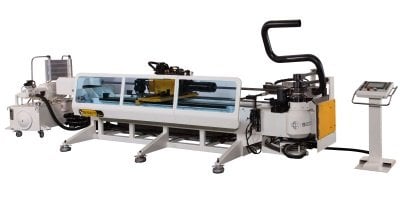
Essential Features to Look for in Tube and Pipe Benders
When selecting a tube and pipe bender, it's important to focus on essential features that enhance usability and efficiency. Key features to consider include programmable settings for different bending angles, adjustable speed controls for varying material types, and user-friendly interfaces that simplify operation. These features not only improve the accuracy of bends but also reduce setup time, making the bender more versatile for various applications.
Additionally, consider the machine's build quality and durability, as these factors will impact its longevity and maintenance needs. Look for benders made with high-quality materials that can withstand rigorous use, especially in industrial settings. For example, machines equipped with robust hydraulic systems often provide better performance when bending thicker materials, ensuring that they meet the demands of high-volume production environments.
Maintenance Tips for Tube and Pipe Benders
Regular maintenance is crucial for ensuring the longevity and optimal performance of tube and pipe benders. Routine tasks such as cleaning, lubricating moving parts, and checking for wear and tear can prevent breakdowns and extend the life of the equipment. Establishing a maintenance schedule based on the manufacturer's recommendations can help keep the bender in peak condition, ensuring consistent quality in production.
Moreover, it's important to train operators on proper usage and maintenance practices. This includes understanding the machine's operational limits and recognizing signs of potential issues early on. For instance, unusual noises during operation may indicate a need for immediate inspection, preventing costly repairs down the line. Investing in regular training and maintenance can ultimately save time and money by minimizing downtime.
Comparing Manual vs. CNC Tube Benders
Choosing between manual and CNC tube benders depends largely on your production needs and budget. Manual benders are typically more affordable and suitable for low-volume projects or one-off custom jobs, allowing for greater flexibility in bending operations. They require more skill and experience from the operator but can be a cost-effective solution for smaller businesses.
On the other hand, CNC tube benders offer advanced automation and precision, making them ideal for high-volume production environments. They can handle complex bends with ease and reduce human error, leading to higher consistency in product quality. While the initial investment is higher, the long-term benefits of increased efficiency and reduced labor costs can make CNC benders a worthwhile investment for larger operations.
Common Applications for Tube and Pipe Benders
Tube and pipe benders are widely used across various industries, each with unique applications that leverage the capabilities of these machines. In the automotive sector, for example, tube benders are essential for creating exhaust systems, roll cages, and frames, where precision and strength are paramount. The ability to produce complex shapes efficiently makes tube bending a vital process in automotive manufacturing.
Similarly, the HVAC industry relies on tube benders for fabricating ductwork and piping systems that require precise bends to fit into tight spaces. Additionally, industries such as furniture design and aerospace utilize tube bending for creating intricate structures and components. Understanding the specific applications can help buyers choose the right type of bender that meets their operational needs effectively.