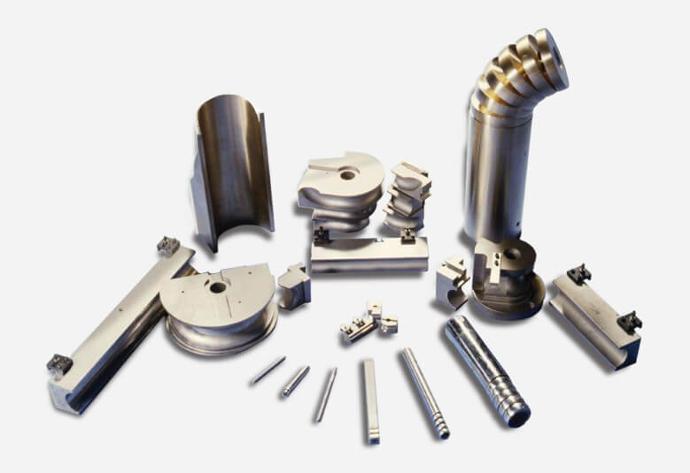
Innovative Features of CNC Tube Benders
CNC tube benders come equipped with a variety of innovative features that enhance their functionality and ease of use. These features include advanced software for programming complex bends, automatic tooling adjustments, and real-time monitoring of the bending process. Such innovations allow manufacturers to streamline operations and reduce setup times, making it easier to switch between different projects or product lines.
For example, some CNC tube benders utilize 3D simulation software that enables operators to visualize the bending process before executing it, minimizing errors and material waste. Additionally, the integration of IoT technology allows for predictive maintenance, alerting users to potential issues before they result in downtime, thereby increasing overall productivity and reliability in manufacturing environments.
Cost-Benefit Analysis of CNC Tube Benders
Investing in CNC tube benders can significantly impact a company's bottom line, making a cost-benefit analysis essential for decision-makers. While the initial investment may be high, the long-term savings achieved through increased efficiency, reduced labor costs, and minimized material waste often justify the expense. Companies can quickly recoup their investment by enhancing production capabilities and meeting customer demands more effectively.
Moreover, the ability to produce high-quality components consistently can lead to increased customer satisfaction and repeat business. By analyzing production costs against the potential revenue generated from improved output, businesses can make informed decisions about adopting CNC tube bending technology and its implications for future growth.
Future Trends in CNC Tube Bending Technology
The field of CNC tube bending technology is continuously evolving, with several trends shaping its future. Automation and robotics are increasingly being integrated into tube bending processes, allowing for greater precision and efficiency. Additionally, advancements in materials science are enabling the use of more complex materials that require specialized bending techniques, further broadening the scope of applications for CNC tube benders.
Furthermore, the push towards sustainable manufacturing practices is driving the development of energy-efficient CNC tube benders that reduce waste and energy consumption. As industries seek to minimize their environmental impact, manufacturers that adopt these new technologies will likely gain a competitive edge, positioning themselves as leaders in the market.
Common Challenges in CNC Tube Bending and Solutions
While CNC tube bending offers numerous advantages, it is not without its challenges. Common issues include material springback, which can affect the accuracy of bends, and the need for precise tooling to accommodate various material types and thicknesses. Understanding these challenges is crucial for manufacturers aiming to optimize their tube bending processes.
To address these issues, manufacturers can invest in advanced training for operators, ensuring they understand the intricacies of the machines and materials. Additionally, employing simulation software can help predict and mitigate springback effects, while regular maintenance of equipment can prevent mechanical failures that lead to production delays. By proactively tackling these challenges, businesses can enhance their operational efficiency and product quality.