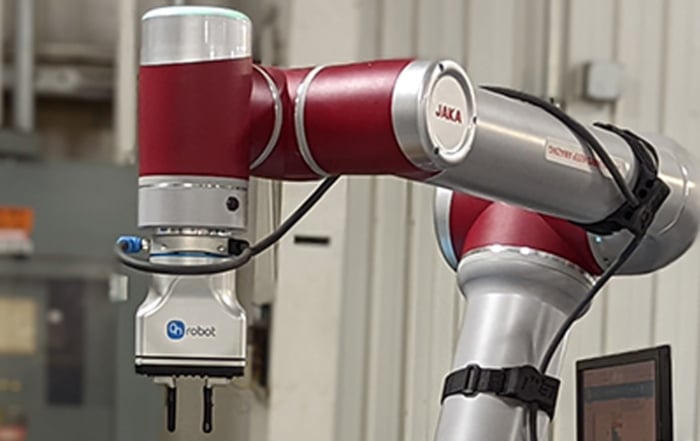
Real-World Applications of Cobots in Manufacturing
Cobots have been successfully implemented across various manufacturing sectors, showcasing their versatility and effectiveness. Industries such as automotive, electronics, and consumer goods have integrated cobots to streamline operations, enhance productivity, and reduce costs.
For instance, automotive manufacturers have employed cobots for tasks such as assembly and quality inspection, resulting in improved precision and reduced cycle times. In electronics, cobots assist in delicate tasks like component placement, ensuring high accuracy while freeing human workers for more complex responsibilities.
Cost-Benefit Analysis of Implementing Cobots
Understanding the financial implications of adopting cobots is crucial for businesses considering automation. A thorough cost-benefit analysis can reveal potential savings in labor costs, increased output, and return on investment over time.
Studies indicate that companies integrating cobots can achieve a payback period of less than 12 months due to reduced labor expenses and increased efficiency. Additionally, the long-term benefits include lower operational costs and enhanced product quality, making cobots a financially sound investment for manufacturers.
Training and Integration of Cobots into Existing Workflows
Effectively integrating cobots into existing manufacturing workflows requires proper training and strategic planning. Ensuring that employees are familiar with cobot operations and safety protocols is essential for a smooth transition.
Training programs can include hands-on workshops and online resources to help staff understand how to collaborate with cobots effectively. By fostering a culture of collaboration between human workers and machines, companies can maximize the benefits of automation while maintaining a safe and productive work environment.
Future Trends in Cobot Technology
The future of cobot technology is promising, with advancements paving the way for even greater capabilities and applications. Emerging trends include enhanced AI integration, improved sensory feedback, and increased adaptability to various tasks.
As cobots become more intelligent and capable, they will likely take on more complex roles within manufacturing processes, further reducing the need for human intervention in repetitive tasks. This evolution will not only improve efficiency but also open new avenues for innovation in manufacturing practices.