Common Challenges in Tube Bending
Tube bending can present several challenges that affect the quality of the final product. Issues such as tube flattening, wrinkling, and inconsistent bend radii often arise due to improper die selection or inadequate bending techniques. Understanding these common challenges is essential for any operator looking to achieve precise and accurate bends without defects.
For example, using the wrong type of die for a specific tube material can lead to excessive deformation. Similarly, inadequate lubrication during the bending process can increase friction, resulting in surface damage or failure to achieve the desired bend angle. Addressing these challenges through proper training and equipment maintenance can significantly improve bending outcomes.
Maintenance Tips for Tube Bending Dies
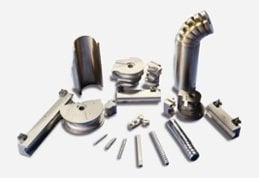
Regular maintenance of tube bending dies is crucial for ensuring their longevity and performance. Proper care can prevent common issues such as wear and tear, which can lead to inaccuracies in the bending process. Key maintenance practices include regular cleaning, lubrication, and periodic inspections to identify any signs of damage.
For instance, cleaning dies after each use helps remove debris and lubricant residues that can affect bending accuracy. Additionally, lubricating the dies appropriately reduces friction and wear, extending their operational life. Implementing a scheduled maintenance routine can help maintain consistent production quality and reduce downtime caused by equipment failure.
Choosing the Right Tube Material for Bending
The selection of the appropriate tube material is a critical factor in the tube bending process. Different materials exhibit varying levels of flexibility, strength, and resistance to deformation, which can significantly influence the bending results. Understanding the properties of materials such as aluminum, stainless steel, and carbon steel is essential for achieving optimal performance.
For example, aluminum is known for its lightweight and malleability, making it easier to bend without cracking. In contrast, stainless steel offers high strength but may require more careful handling to avoid buckling. Selecting the right material based on the specific application and desired outcomes can enhance the efficiency and quality of the bending process.
Exploring Custom Tube Bending Solutions
Custom tube bending solutions are increasingly popular as industries seek to meet specific design and functionality requirements. Tailored bending services can accommodate unique specifications, ensuring that the final product aligns perfectly with the intended application. Understanding the benefits of custom solutions can help businesses optimize their production processes.
For instance, custom tube bending can allow for intricate designs and complex geometries that standard bending methods may not achieve. Additionally, working with specialized tooling and dies can enhance the precision of bends, resulting in better-fitting components for various applications. Engaging with experienced manufacturers can provide insights into the best practices for implementing custom bending solutions.