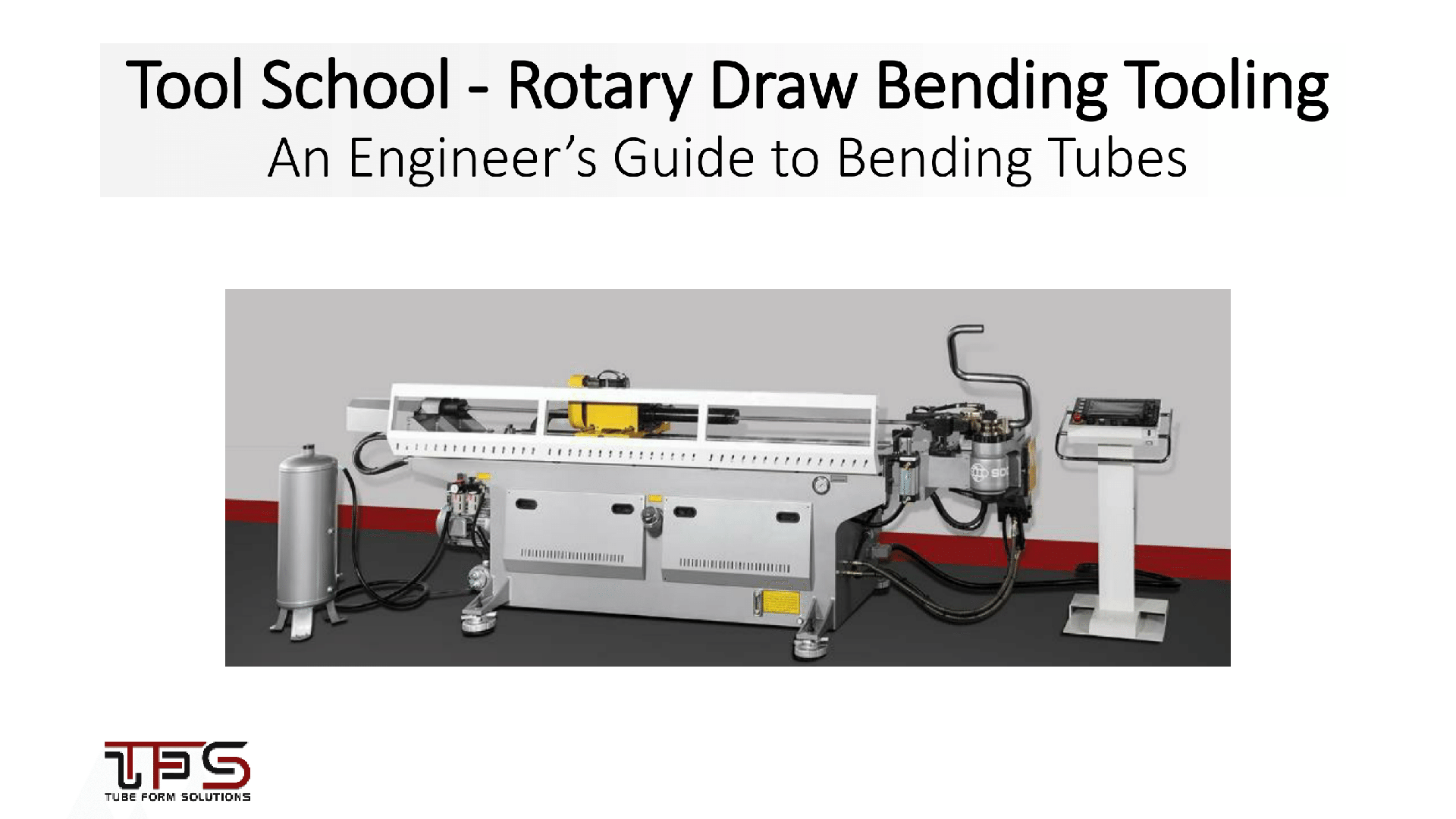
Choosing the Right Rotary Draw Bender
Selecting the appropriate rotary draw bender is crucial for achieving optimal results in tube bending operations. Factors to consider include the type of material being used, the thickness of the tubes, and the specific bending angles required for your project.
For example, a bender designed for stainless steel may not perform well with aluminum due to differences in material properties. It's also important to assess the machine's capabilities, such as bend radius and repeatability, to ensure it meets the demands of your specific applications.
Maintenance Tips for Rotary Draw Bending Tooling
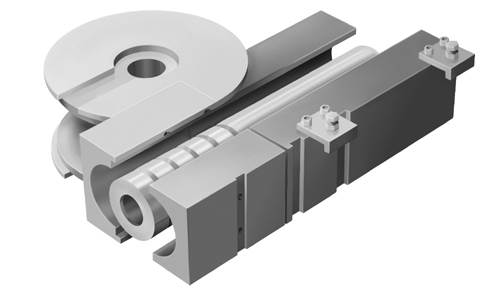
Regular maintenance of rotary draw bending tooling is essential to prolong its lifespan and maintain precision. This includes routine inspections, cleaning, and lubrication of components to prevent wear and tear.
For instance, ensuring that the bending die is free from debris can significantly enhance the quality of bends and reduce the risk of tube deformation. Additionally, keeping a maintenance log can help track performance and identify any issues before they escalate.
Innovations in Tube Bending Technology
The tube bending industry is continually evolving, with innovations that enhance efficiency and precision. Recent advancements include the integration of computer numerical control (CNC) technology, which allows for more complex bending patterns and improved automation.
Furthermore, the development of advanced materials and coatings has led to increased durability of tooling, reducing downtime and maintenance costs. Staying updated on these innovations can provide manufacturers with a competitive edge in the market.
Common Challenges in Rotary Draw Bending
While rotary draw bending is a highly effective technique, it is not without its challenges. Common issues include tube wrinkling, deformation, and inconsistent bends, which can arise from improper setup or tool wear.
Understanding these challenges and their causes can help operators implement better practices. For example, adjusting the pressure and speed settings on the bender can mitigate the risk of wrinkling, ensuring high-quality results in every batch of bends.