wiper die, wiper dies material, wiper dies, wiper dies tube bending, wiper die tube bending, tube bending wiper die
Understanding Wiper Die Functionality
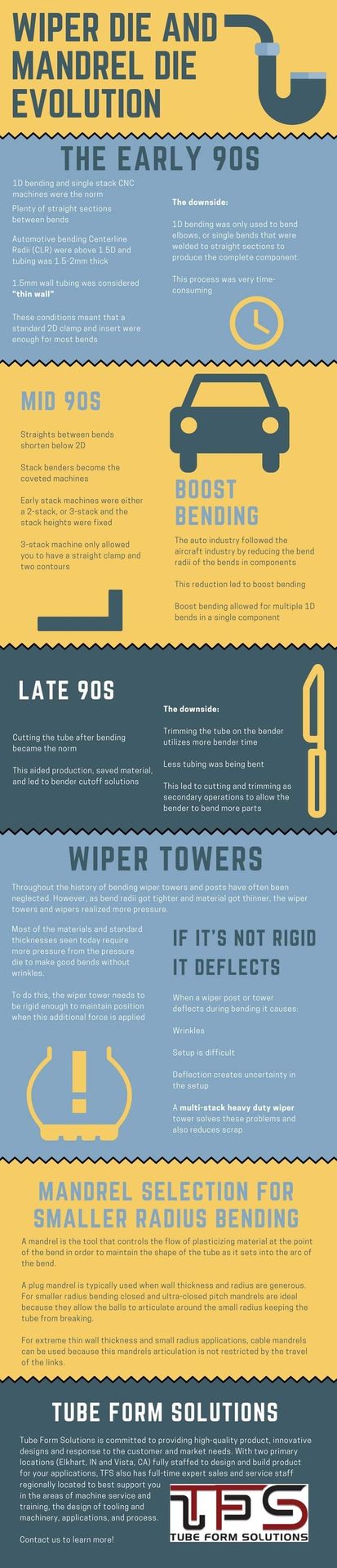
Wiper dies play a critical role in the tube bending process, ensuring that the material maintains its shape and integrity during fabrication. By applying pressure to the tube's outer surface, wiper dies help prevent deformation and ensure a smooth bend, which is essential for achieving high-quality results.
These dies are particularly important in applications where precision is paramount, such as in the automotive and aerospace industries. The design of wiper dies has evolved significantly, incorporating advanced materials and technologies that enhance their performance and durability, thereby contributing to the overall efficiency of the manufacturing process.
Comparative Analysis of Wiper Die and Mandrel Die
While both wiper and mandrel dies serve essential functions in tube bending, they have distinct roles that cater to different manufacturing needs. Wiper dies focus on maintaining the outer shape of the tube during bends, whereas mandrel dies provide internal support to prevent collapse, particularly in tight bends.
This comparative analysis highlights how each die type complements the other, allowing manufacturers to achieve complex geometries with precision. Understanding these differences is crucial for selecting the appropriate tooling for specific applications, ultimately leading to enhanced product quality and reduced waste.
Case Studies on Wiper and Mandrel Die Applications
Real-world applications of wiper and mandrel dies showcase their effectiveness in various industries. For instance, a case study in the automotive sector illustrated how the use of advanced wiper dies improved the bending process, resulting in a 20% reduction in material waste.
Similarly, in the aerospace industry, mandrel dies have been utilized to achieve intricate bends that meet stringent safety standards. These case studies not only demonstrate the capabilities of these technologies but also provide valuable insights into best practices for their implementation in manufacturing processes.
Maintenance Best Practices for Wiper and Mandrel Dies
Proper maintenance of wiper and mandrel dies is essential for ensuring their longevity and optimal performance. Regular inspections, cleaning, and timely replacements of worn parts can prevent costly downtime and maintain production efficiency.
Implementing a structured maintenance schedule and utilizing high-quality lubricants can significantly extend the lifespan of these dies. Additionally, training operators on the best practices for handling and maintaining dies can lead to improved operational outcomes and reduced maintenance costs over time.