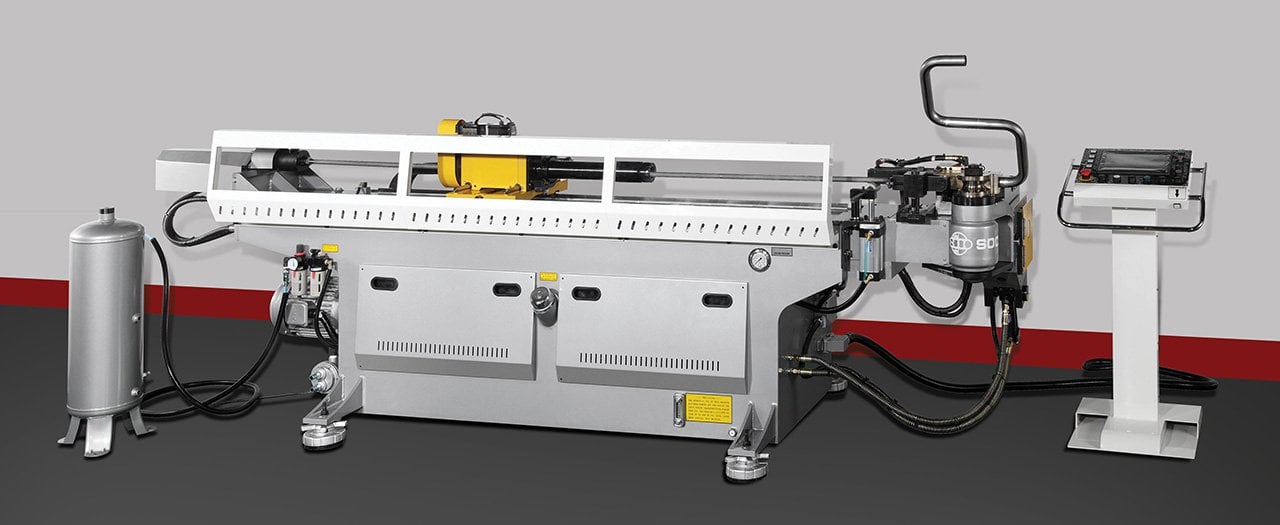
Understanding Hydraulic Technology in Tube Bending
Hydraulic technology plays a crucial role in the efficiency and effectiveness of tube bending processes. By harnessing the power of hydraulics, tube benders can apply significant force, which is essential for bending thicker materials without compromising their structural integrity. This technology allows for more precise control over the bending process, leading to higher quality results.
For instance, hydraulic systems can be finely tuned to adjust the pressure and speed of the bending operation, enabling operators to achieve the desired angles and radii with minimal effort. This level of control is particularly beneficial in industries that require exact specifications, such as aerospace and automotive manufacturing, where even the slightest deviation can impact safety and performance.
Common Challenges in Tube Bending and Solutions
While hydraulic mandrel tube benders offer numerous advantages, they are not without challenges. Common issues include tube wrinkling, kinking, and buckling, which can arise from improper setup or technique. Understanding these challenges is essential for operators to ensure smooth and accurate bends.
To mitigate these issues, employing techniques such as using the correct mandrel size and material, adjusting the bending speed, and maintaining proper hydraulic fluid levels can significantly enhance the quality of the bends. Additionally, regular training and education on the latest bending technologies can empower operators to tackle these challenges effectively.
Innovations in Tube Bending Technology
The field of tube bending technology is continually evolving, with innovations aimed at improving efficiency, precision, and ease of use. Recent advancements include the integration of automation and computer numerical control (CNC) systems, which allow for more complex bends to be programmed and executed with minimal manual intervention.
Furthermore, the development of advanced materials and coatings for mandrels and dies has led to improved durability and reduced wear, enhancing the longevity of the equipment. These innovations not only streamline the bending process but also contribute to higher quality outcomes in various applications, from automotive to industrial manufacturing.
Cost Considerations for Hydraulic Mandrel Tube Benders
Investing in hydraulic mandrel tube benders involves several cost considerations, including initial purchase price, maintenance expenses, and operational costs. Understanding these factors is crucial for businesses looking to optimize their budget while ensuring high-quality production.
While the upfront cost of hydraulic mandrel benders can be significant, the long-term savings from reduced material waste and increased productivity often justify the investment. Additionally, evaluating the total cost of ownership, including energy consumption and maintenance, can provide a clearer picture of the financial commitment associated with these machines.