Understanding Tube End Forming Techniques
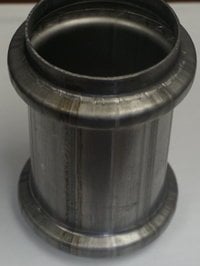
Tube end forming encompasses various techniques used to shape the ends of tubes for specific applications. These methods include flaring, beading, and expanding, each serving unique purposes in manufacturing. Understanding these techniques is essential for selecting the right process that meets the dimensional and structural requirements of the final product.
For instance, flaring is commonly used in the automotive and HVAC industries to create fittings that connect tubes securely. Beading, on the other hand, is often employed to enhance the strength of tube connections, ensuring they can withstand high pressure and stress. By mastering these techniques, manufacturers can improve their production efficiency and product quality.
Comparative Advantages of Inline Flare vs. Ram Multi-Strike Tooling
When choosing between inline flare tooling and ram multi-strike tooling, it's crucial to understand their comparative advantages. Inline flare tooling is designed for high-speed production and is ideal for creating precise flares, while ram multi-strike tooling offers versatility for various forming processes, including large expansions and reductions.
For example, inline flare tooling is often preferred for applications requiring consistent and repeatable results, such as in automotive fuel lines. Conversely, ram multi-strike tooling is favored in scenarios where adaptability is essential, such as in custom fabrication projects. Evaluating these advantages can help manufacturers select the most suitable tooling for their specific needs.
Maintenance Best Practices for Tube End Forming Equipment
Regular maintenance of tube end forming equipment is vital for ensuring optimal performance and longevity. Implementing a structured maintenance schedule can prevent unexpected breakdowns and enhance the efficiency of production processes. Key maintenance practices include regular inspections, lubrication of moving parts, and timely replacement of worn components.
For instance, lubricating the dies and tooling can significantly reduce friction and wear, leading to improved accuracy and reduced downtime. Additionally, conducting routine checks on hydraulic systems and calibrating machinery can help maintain the desired specifications of tube end forming processes. By prioritizing maintenance, manufacturers can achieve higher productivity and lower operational costs.
Innovations in Tube End Forming Technology
The tube end forming industry is witnessing rapid innovations, driven by advancements in technology and manufacturing processes. New techniques, such as automated systems and smart sensors, are enhancing the precision and efficiency of tube forming operations. These innovations enable manufacturers to achieve tighter tolerances and reduce cycle times.
For example, the integration of Industry 4.0 principles allows for real-time monitoring and data analytics, leading to informed decision-making and improved resource management. As manufacturers adopt these cutting-edge technologies, they can stay competitive in a rapidly evolving market and better meet the demands of various industries.