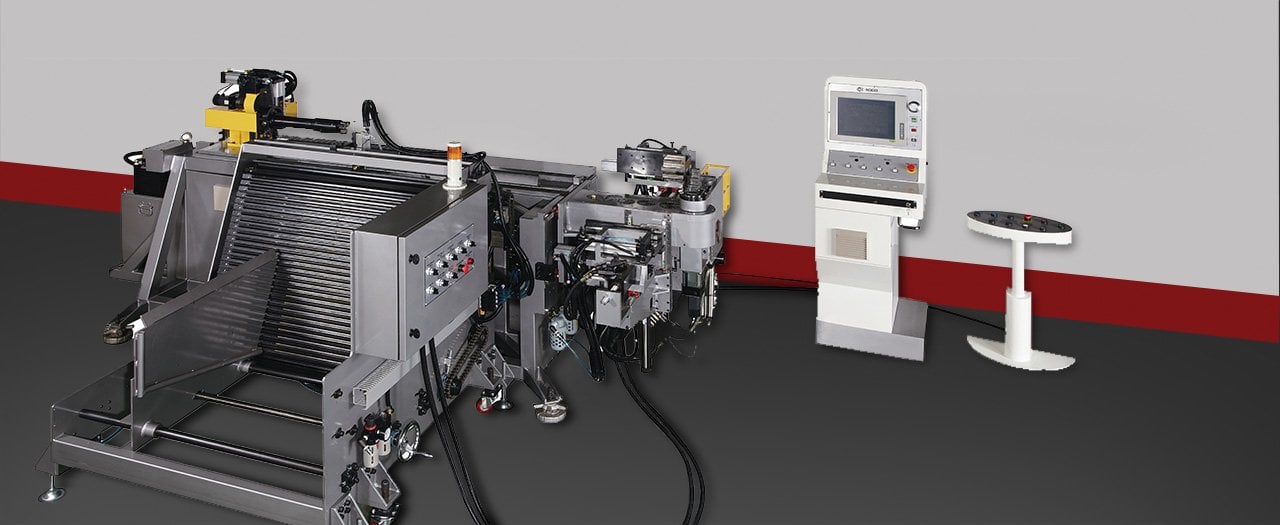
Understanding the Mandrel Tube Bending Process
The mandrel tube bending process involves inserting a mandrel into the tube being bent, which helps maintain the tube's shape and integrity throughout the bending process. This technique is crucial for achieving precise angles and avoiding deformities that can occur during bending, such as kinks and wrinkles.
During the bending process, the mandrel supports the inner walls of the tube, ensuring that it retains its original diameter and does not flatten. This support is particularly important for materials that are prone to deformation, such as aluminum and stainless steel. By utilizing this method, manufacturers can produce high-quality bent tubes that meet stringent industry standards.
Factors Influencing Mandrel Tube Bending Quality
Several factors can significantly influence the quality of mandrel tube bending, including the material type, wall thickness, and bend radius. Each of these factors must be carefully considered to ensure optimal results and prevent issues during the bending process.
For instance, softer materials may require different bending techniques compared to harder metals. Additionally, the wall thickness of the tubing can affect how much support the mandrel needs to provide. Understanding these variables allows manufacturers to select the appropriate equipment and settings for their specific applications, ultimately leading to better product quality.
Comparing Different Types of Mandrel Benders
There are several types of mandrel benders available on the market, each designed to cater to specific bending requirements. These include rotary draw benders, compression benders, and push benders, each offering unique advantages and capabilities.
For example, rotary draw benders are ideal for creating tight bends with minimal distortion, making them a popular choice in industries like automotive and aerospace. On the other hand, compression benders may be more suitable for larger diameter tubing or less complex bends. Comparing these options allows businesses to choose the right machine based on their production needs and the specifications of the tubing being used.
Future Trends in Tube Bending Technology
The tube bending industry is continuously evolving, with advancements in technology leading to more efficient and precise bending solutions. Innovations such as automated bending machines and software-driven processes are transforming how manufacturers approach tube bending.
These advancements not only improve the speed and accuracy of production but also enhance the ability to create complex geometries that were previously challenging to achieve. As the demand for customized and high-quality bent tubes increases, staying informed about these trends will be essential for businesses looking to maintain a competitive edge in the market.